

01 / OPEN LANDSCAPES
Long-range FPV
Mountain and coastal flying with a carefully matched aircraft, transmitter and ground receiving setup.
Explore application →
Explore how video links are planned around different aircraft, cameras, ground stations and flight contexts.
Mountain and coastal flying with a carefully matched aircraft, transmitter and ground receiving setup.
Explore application →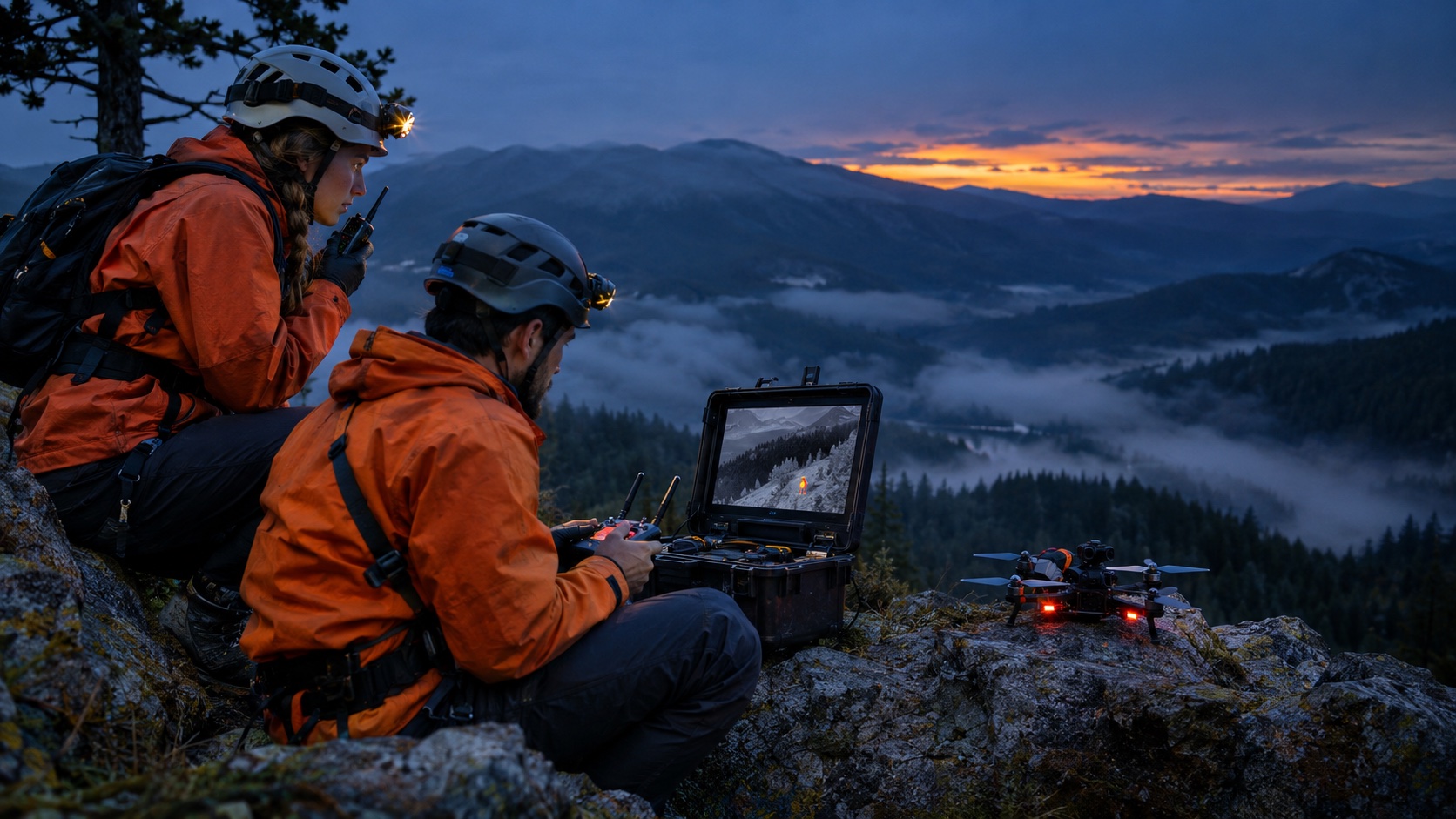
A thermal camera view carried by an analog video link to a ground search team.
Explore application →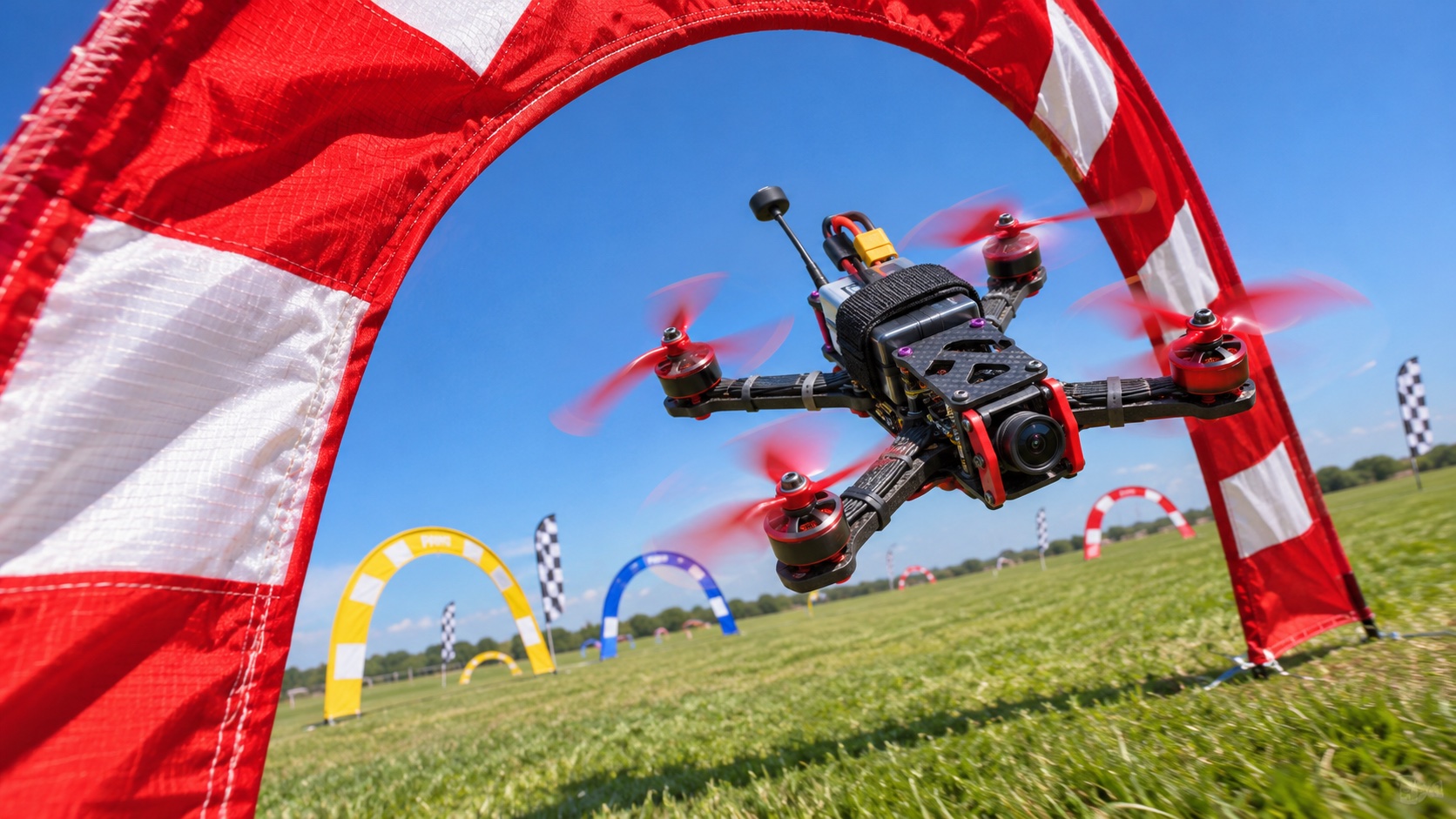
Responsive analog FPV video for racing gates, freestyle lines and coordinated club flying.
Explore application →
An example of a 7.2GHz analog video link built around the AL7210 transmitter.
Explore application →Application imagery is illustrative. Equipment suitability depends on the model and system configuration.
An analog FPV video link depends on the camera, video transmitter, ground receiver, power supply and installation working together. Use these checks when comparing equipment for long-range flights, racing, observation and other FPV applications.
Start with the camera's video format and output connector. Confirm that the FPV transmitter accepts the signal, then compare the wiring pinout. If the transmitter powers the camera, its output voltage and current rating must also suit the camera.
Compare the exact channel frequencies in the VTX and receiver tables. Matching band names alone do not prove compatibility. The antennas must cover the chosen frequency, and a multi-pilot setup also needs a channel plan to reduce interference.
Compare FPV VTX models →Check the transmitter's input voltage against the full battery or regulator range, including voltage changes during flight. Higher output settings can increase power draw and heat, so plan airflow and follow the model's guidance for bench testing and enclosed installations.
Review board dimensions, mounting-hole spacing and weight before choosing a frame location. Leave room for antenna and video connectors, cables and cooling airflow. Secure the antenna away from moving parts and check that its cable can reach without strain.
Discuss a catalogue model or contract manufacturing brief. Share your setup, quantity and timing.